Previous
Next
一、System Overview
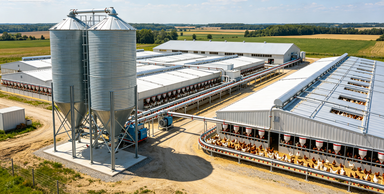
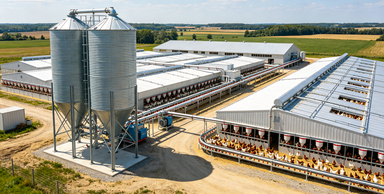
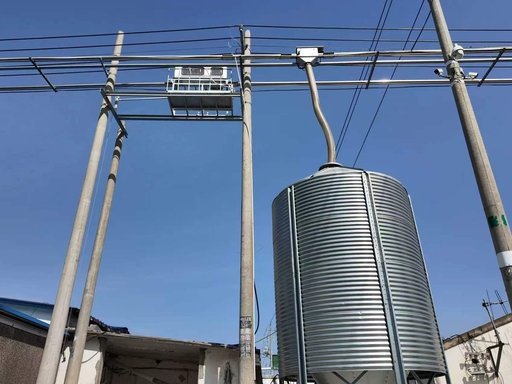
The automatic silo conveying system is the core feeding equipment for large-scale automated chicken farms. With silos as the feed storage unit, combined with fully enclosed conveying pipelines, power units, distributing mechanisms and intelligent electronic control systems, it realizes unmanned and automatic feed delivery from outdoor silos to feeding troughs inside chicken houses.
The whole system completes full-process operations including feed storage, conveying, distribution, quantitative feeding and low-feed alarm. It completely replaces manual feed handling and filling, and is widely applied in intensive breeding of laying hens and broilers.
二、System Components
1. Feed Silo Unit
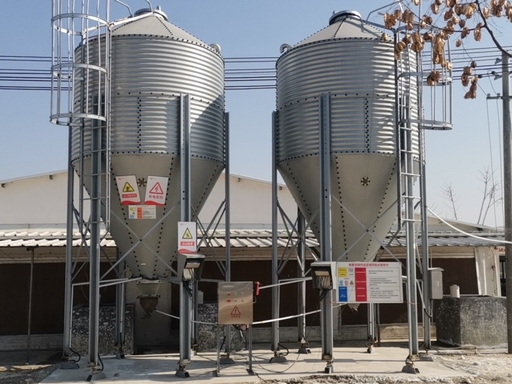
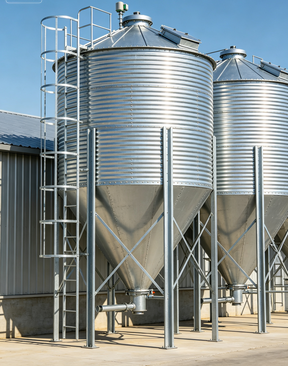
It serves as centralized feed storage with excellent rainproof, moistureproof and anti-pollution performance.
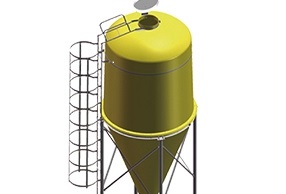
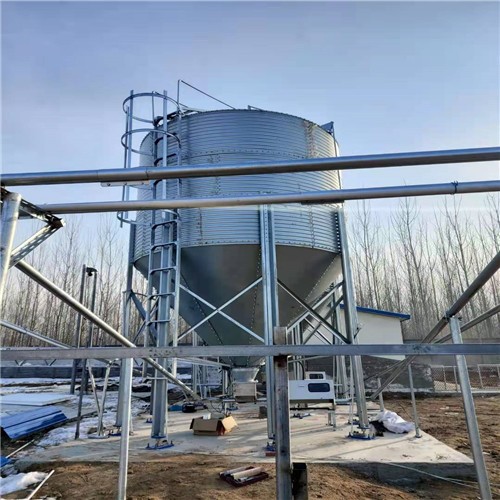
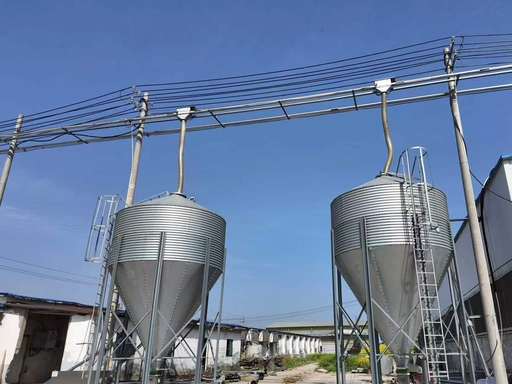
1. Silo Main Body: Made of hot-dip galvanized steel sheet or fiberglass reinforced plastic (FRP). The tapered bottom ensures smooth discharging without residual feed. Multiple specifications are available to match different breeding scales.
2. Sealed Top Cover: Prevents rain, dust, birds and sundries from entering to guarantee feed hygiene.
3. Ladder & Maintenance Platform: Facilitates daily inspection, maintenance and cleaning.
4. Feed Level Detector: High and low level sensors monitor real-time feed stock and trigger an alarm when feed is insufficient.
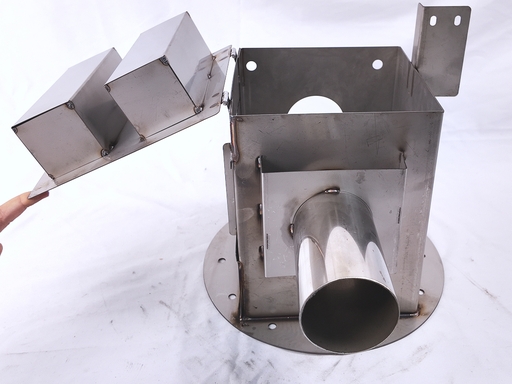
5. Discharge Port: Equipped with sealed connectors to link with power units, effectively avoiding material leakage and dust emission.
2. Power Drive Unit
The power source of the whole system, delivering stable power with multiple safety protections.
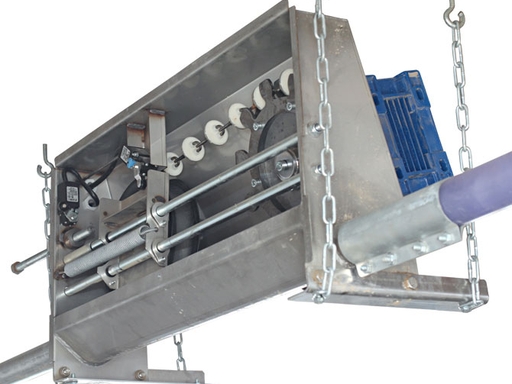
1. Drive Motor Assembly: Integrated geared motor and drive box, featuring low noise, high torque and long service life.
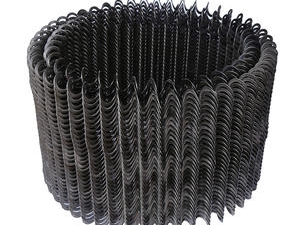
2. Transmission Components: Including flexible chain with discs or spiral auger, the key parts for feed pushing.
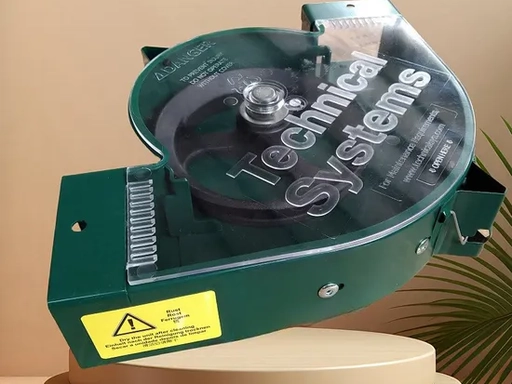
3. Bend Wheel Assembly: Enables 90° pipeline turning to adapt to complex layouts of chicken houses without material blockage.
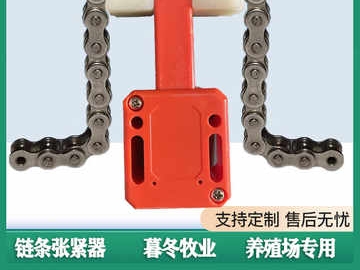
4. Tension Adjuster: Manually or automatically adjusts the tightness of chains and augers to prevent slipping and derailment.
5. Safety Protection Devices: Anti-blockage, overload and broken-chain protection modules, which cut off power and stop operation immediately once faults occur.
3. Conveying Pipeline Unit
Fully enclosed pipelines to stop dust, feed mildew and contamination.
1. Main Conveying Pipe: Adopts hot-dip galvanized pipe or stainless steel pipe, which is corrosion-resistant, high-strength and durable.
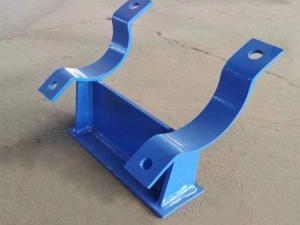
2. Pipe Clamps, Brackets & Columns: Secure pipelines firmly on house frames and columns for stable operation.
3. Access Ports: Installed at intervals for blockage removal and routine maintenance.
4. Distribution & Discharging Unit
Realizes feed diversion and fixed-point discharging to serve all feeding positions accurately.
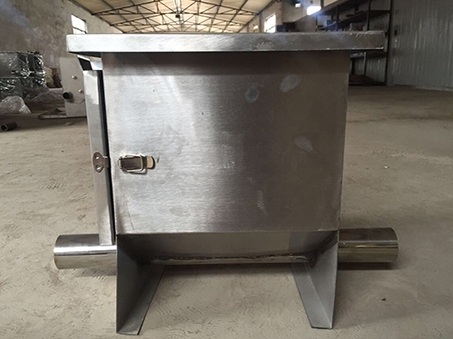
1. Discharge Boot: Mounted at the silo bottom to deliver feed evenly into conveying pipelines.
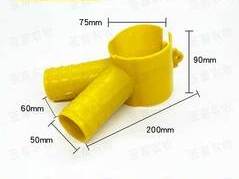
2. Electric / Manual Diverter Tee: Distributes feed from one main pipe to multiple branches, so a single silo can supply feed for multiple houses and lines.
3. Indoor Discharger: Guides feed to terminal feeding points inside the house.
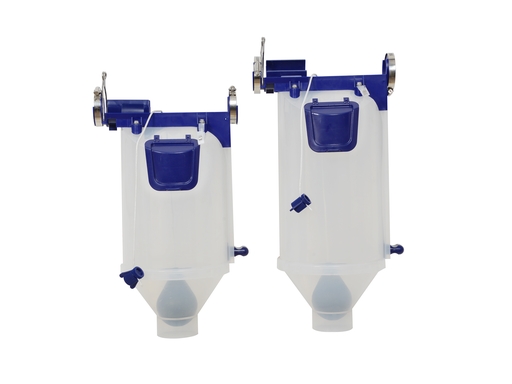
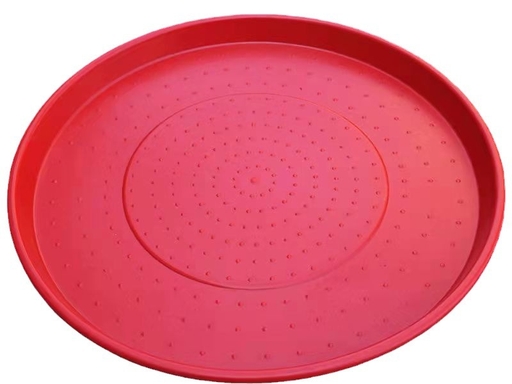
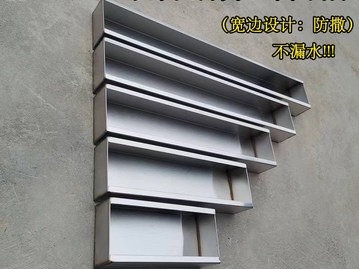
4. Quantitative Feeding Assembly: Consists of quantitative cups, feeding pans and troughs. It controls feeding volume precisely according to chicken ages to achieve timed and rationed feeding.
5. Intelligent Electronic Control Unit
The control center of the entire system for automatic operation, parameter setting and fault warning.
1. Main Control Cabinet: Integrated with circuit breakers, contactors and relays to ensure circuit safety.
2. Touch Control Panel: For setting operation time, startup/stop cycles and conveying speed; supports switching between manual and automatic modes.
3. Timing Control System: Sets daily feeding times and duration for fully automatic timed operation.
4. Alarm System: Triggers audible and visual alarms in case of feed shortage, material blockage, motor overload and circuit failure.
5. Advanced Expansion Modules: Variable frequency drive, wireless...